Noise-optimized audio
Filters stationary noise, environmental sound, and overlapping speech so agents stay accurate on real-world calls, not just quiet test environments.
Comparison updated October 2026
Voiceflow is a visual platform for designing and iterating on conversation flows across voice and chat, with pricing now handled through a sales conversation rather than a published rate card. TelEcho deploys a configured voice, WhatsApp, and WeChat agent with one published rate. See the full Voiceflow vs TelEcho comparison below.
Voiceflow is a design canvas. TelEcho is a deployed agent.
Best for agencies and teams that want a visual design canvas and are comfortable negotiating pricing directly.
Best for teams that want to see pricing and compliance details before talking to sales.
Voiceflow has a real strength: its visual flow-builder is a mature, purpose-built canvas for designing multi-turn conversations, and its multi-client workspace tools suit agencies building on behalf of other businesses. The trade-off is that its public pricing page no longer lists a monthly price, usage allowance, or seat count for either plan, both tiers direct you to a demo call for that information, which makes self-serve budgeting difficult.
TelEcho states a per-minute rate directly on its pricing page. Voiceflow's two current plans both route to a demo call for monthly price, usage limits, and seat counts.
TelEcho deploys a configured voice, WhatsApp, and WeChat agent. Voiceflow gives you a visual canvas to design, test, and publish conversation flows yourself, across voice and chat.
TelEcho lists its HIPAA and BAA coverage directly alongside its rates. Voiceflow's footer links to SOC 2, ISO 27001, GDPR, and HIPAA pages, but the pricing page itself doesn't say which tier includes which certification.
TelEcho's pricing page states voice, WhatsApp, and WeChat coverage directly. Voiceflow's Businesses plan says agents deploy “across voice and chat channels” without specifying phone, SIP, or WhatsApp details.
Voiceflow's design canvas is powerful, but someone on your team still builds and maintains the conversation flow. TelEcho deploys that configuration for you, typically in about 15 days.
Voiceflow and TelEcho fit different buying processes. Here's where each one has the edge.
See how TelEcho's conversational AI platform stacks up against Voiceflow on the setup effort, compliance, and cost that actually affect your rollout.
| Capability | TelEcho | Voiceflow |
|---|---|---|
| Setup | ||
| Deployment model | Managed, configure-not-code | No-code design canvas; you build and publish the conversation flow |
| Typical setup time | ~15 days | Not published; depends on your own flow-design timeline |
| Channels supported | Voice, WhatsApp, WeChat (agent included) | “Voice and chat channels” per the pricing page; specifics not detailed |
| Compliance & Reliability | ||
| HIPAA / BAA | Included on all tiers | Linked in the footer (Trust Center); not stated per-tier on the pricing page |
| Uptime SLA | 99.99% platform uptime (published) | Not published on the pricing page |
| Security certifications | HIPAA, BAA | SOC 2, ISO 27001, GDPR, HIPAA pages linked; tier mapping not shown |
| Cost | ||
| Entry plan | Free to start (Build) | Free trial, no credit card required (Agencies & Partners) |
| Pay-as-you-go rate | $0.07–$0.31/min (all-in) | Not published; described as “usage-based,” rate available via demo |
| Monthly platform fee | None | Not published for either plan |
| Enterprise pricing | Custom, from $0.05/min | Custom; available only through a requested demo |
Figures sourced from telecho.io and Voiceflow's own pricing and product pages, accessed October 2026. Compliance and uptime figures reflect each company's own published statements.
A deployed, configured AI voice, WhatsApp, and WeChat agent, not a canvas to design flows on. TelEcho's per-minute rate covers the finished voice and WhatsApp agent, typically live in about 15 days.
Book a Custom AI Strategy Call
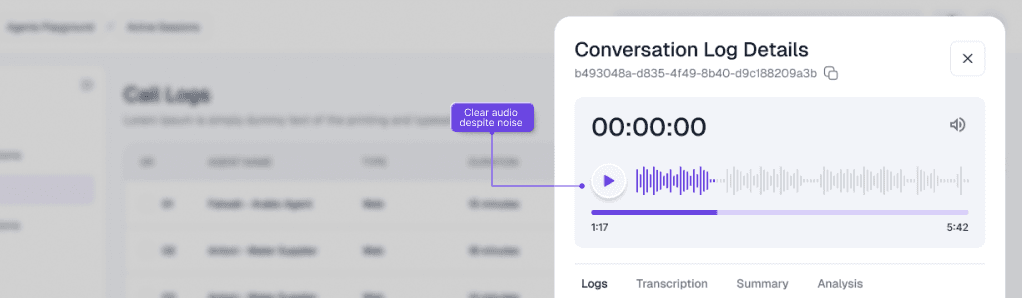
An AI phone answering system is only as good as what happens on a bad connection or a noisy line.
Filters stationary noise, environmental sound, and overlapping speech so agents stay accurate on real-world calls, not just quiet test environments.
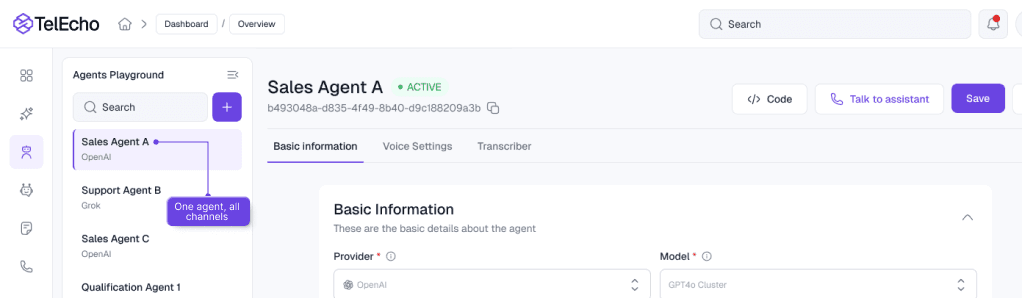
Update the agent once and the change applies everywhere it talks to customers, instead of maintaining a separate build for each channel.
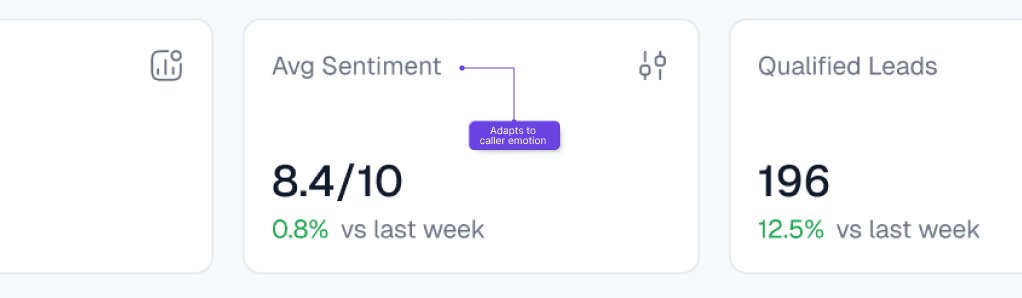
Agents adjust tone and pacing based on caller sentiment instead of running a flat, scripted response regardless of how the conversation is going.
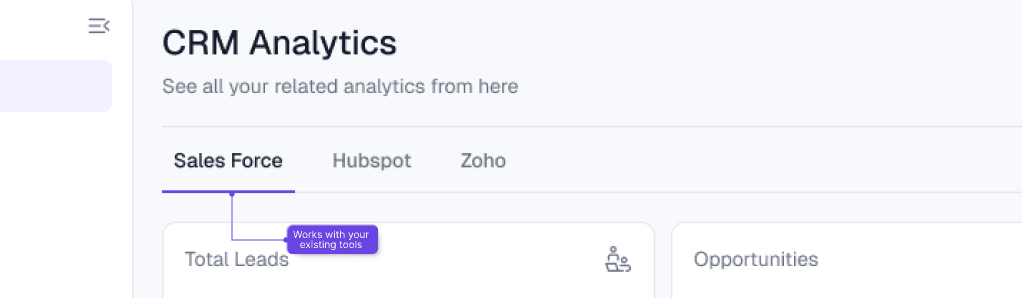
Connects to existing CRMs, booking systems, and support tools without a custom middleware layer your team has to build and maintain.
If you're comparing Voiceflow vs TelEcho because you want published pricing and a finished agent instead of a design canvas and a sales call, TelEcho's managed model is built for that handoff.
Teams researching Voiceflow vs TelEcho, or running a broader comparison against managed platforms, tend to ask the same handful of questions before switching.
Voiceflow is a no-code visual platform for designing conversation flows across voice and chat assistants, with current pricing available only through a demo call. TelEcho is a managed platform that deploys a configured voice, WhatsApp, and WeChat agent for a published per-minute rate. The core difference is a design canvas with sales-gated pricing versus a finished, transparently priced agent.
Voiceflow's public pricing page lists two plans, “For Agencies & Partners” and “For Businesses,” neither of which shows a monthly price, usage allowance, or seat count. Both direct prospective customers to a demo call to get pricing. TelEcho publishes a per-minute rate directly on its pricing page.
Voiceflow's Businesses plan states that agents can be deployed “across voice and chat channels,” but the pricing page doesn't detail phone, SIP, or WhatsApp specifics the way TelEcho's does. Voiceflow is historically best known as a chat and conversation-design tool that has extended into voice.
Voiceflow's website footer links to SOC 2, ISO 27001, GDPR, and HIPAA compliance pages through its Trust Center, but the pricing page itself doesn't state which plan includes which certification. TelEcho states its HIPAA and BAA coverage directly on its pricing tiers.
It depends on whether your team wants to design the conversation flow or deploy a finished agent. Voiceflow suits agencies and teams that want a visual canvas and are comfortable negotiating pricing through a demo call. TelEcho suits teams that want a working voice, WhatsApp, and WeChat agent with HIPAA coverage and pricing both stated up front.
Yes. Teams that designed a conversation flow in Voiceflow typically migrate their call handling and channel integrations into TelEcho's configured platform, trading a design-and-maintain workflow for a deployed agent.
The right alternative depends on whether a business wants a conversation-design canvas or a finished AI agent. TelEcho is positioned as a managed alternative for teams that want published pricing and a deployed voice, WhatsApp, and WeChat agent rather than a flow-builder and a sales conversation.
TelEcho deployments typically go live in about 15 days. Voiceflow doesn't publish a setup timeline; it depends on how long your team spends designing, testing, and publishing the conversation flow on its canvas.

Launch a voice, WhatsApp, and WeChat agent for your clinic, hotel, restaurant chain, or support team in about 15 days, with pricing and HIPAA coverage visible up front.