Noise-optimized audio
Filters stationary noise, environmental sound, and overlapping speech so agents stay accurate on real-world calls, not just quiet test environments.
Synthflow is an enterprise voice AI platform with contracts starting at $30,000 a year and no published self-serve pricing. TelEcho is a managed conversational AI platform for voice, WhatsApp, and WeChat, with a free-to-start plan and published rates. See the full Synthflow vs TelEcho comparison below.
Synthflow and TelEcho both sell enterprise-grade voice AI, but they ask different things of you before you can start.
Best for large enterprises with budget for a dedicated, multi-step rollout.
Best for teams that want to see the numbers before they commit.
Synthflow has real strengths. Its in-house telephony, visual Flow Designer, and enterprise integrations with systems like Cisco, Avaya, and Genesys are built for large, complex call center deployments. The trade-off is that none of that comes with published pricing, so evaluating it means starting a sales conversation first.
TelEcho publishes per-minute rates and a free entry tier. Synthflow's pricing page lists only a $30,000-a-year Enterprise starting point and directs everyone else to Contact Sales.
TelEcho has a free-to-start plan with no annual commitment. Synthflow's public pricing is Enterprise-only, with no published lower tier for smaller teams to test with first.
TelEcho includes HIPAA and BAA coverage on its pay-as-you-go and enterprise tiers. Synthflow lists HIPAA as a certification but ties its DPA and security review process to the enterprise contract.
TelEcho agents are typically live in about 15 days. Synthflow's enterprise process bundles implementation, onboarding, testing, and training, which is thorough but doesn't come with a published timeline.
TelEcho runs voice, WhatsApp, and WeChat conversations from a single agent configuration. Synthflow's own site lists a WhatsApp integration and SMS, but WeChat isn't mentioned.
See how TelEcho's conversational AI platform stacks up against Synthflow on the setup effort, compliance, and cost that actually affect your rollout.
| Capability | TelEcho | Synthflow |
|---|---|---|
| Setup | ||
| Deployment model | Managed, configure-not-code | Enterprise onboarding (implementation, testing, training included) |
| Typical setup time | ~15 days | Not publicly stated (enterprise rollout) |
| Channels supported | Voice, WhatsApp, WeChat | Voice, chat, SMS, WhatsApp integration (no WeChat listed) |
| Compliance & Reliability | ||
| HIPAA / BAA | Included on all tiers | Listed certification; DPA via enterprise contract |
| Uptime SLA | 99.99% platform uptime (published) | 99.99% uptime (published, vendor claim) |
| Security certifications | HIPAA, BAA | SOC 2, HIPAA, PCI DSS, GDPR, ISO 27001 (vendor claims) |
| Cost | ||
| Entry plan | Free to start (Build) | None published; Enterprise only |
| Pay-as-you-go rate | $0.07–$0.31/min | Not published |
| Monthly platform fee | None | Not published (enterprise contract) |
| Enterprise pricing | Custom, from $0.05/min | Starts at $30,000/year (custom quote) |
Figures sourced from telecho.io and synthflow.ai/pricing, accessed October 2026. Compliance and uptime claims reflect each company's own published statements; Synthflow's public pages cite both sub-100ms and sub-500ms latency without reconciling the two.
No $30,000 minimum to find out what a plan costs. TelEcho's pay-as-you-go rates and free entry tier are public, and agents are typically live in about 15 days.
Book a Custom AI Strategy Call
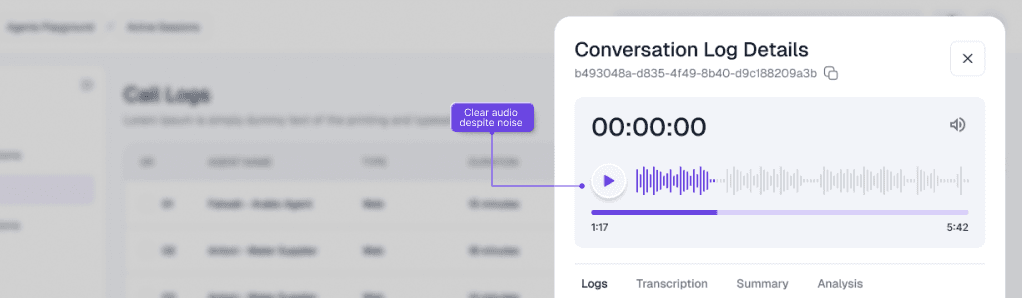
An AI phone answering system is only as good as what happens on a bad connection or a noisy line.
Filters stationary noise, environmental sound, and overlapping speech so agents stay accurate on real-world calls, not just quiet test environments.
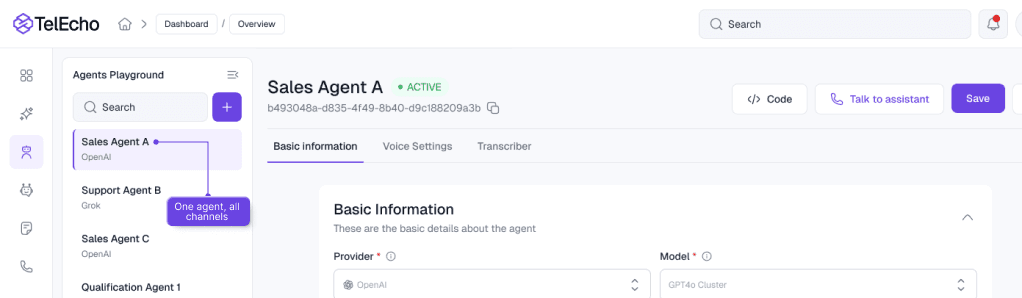
Update the agent once and the change applies everywhere it talks to customers, instead of maintaining a separate build for each channel.
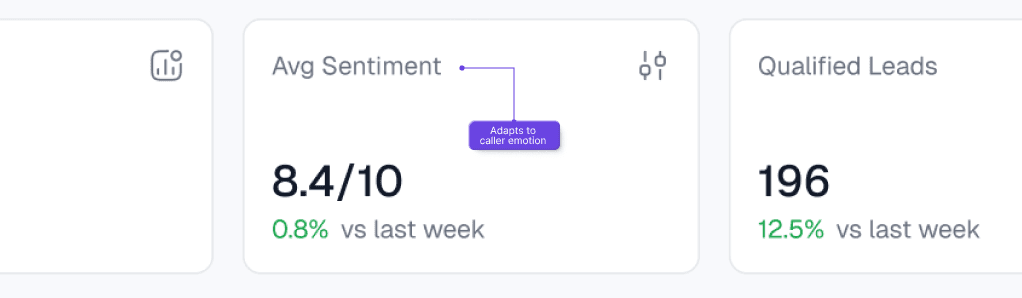
Agents adjust tone and pacing based on caller sentiment instead of running a flat, scripted response regardless of how the conversation is going.
Connects to existing CRMs, booking systems, and support tools without a custom middleware layer your team has to build and maintain.
If you're evaluating a Synthflow alternative because you want transparent pricing before signing an enterprise contract, TelEcho's managed model publishes its rates up front.
Teams researching Synthflow vs TelEcho, or running a broader Synthflow comparison against managed platforms, tend to ask the same handful of questions before switching.
Synthflow is an enterprise voice AI platform sold through custom contracts that start at $30,000 a year, based on its own pricing page. TelEcho is a managed platform with published pay-as-you-go rates and a free entry tier for voice, WhatsApp, and WeChat agents. The core Synthflow vs TelEcho difference is enterprise-only contract pricing versus transparent, published pricing.
Synthflow's pricing page lists a single Enterprise plan starting at $30,000 annually, with the final price depending on call volume, concurrency, telephony setup, and integrations. It doesn't publish a per-minute rate, a monthly fee, or a free tier; pricing is quoted after a sales conversation.
Not according to its own pricing page, which lists Enterprise as its only plan and directs every inquiry to Contact Sales or a demo request. TelEcho has a free-to-start plan with published pay-as-you-go rates.
Synthflow's site lists HIPAA among its certifications alongside SOC 2, PCI DSS, GDPR, and ISO 27001, and its FAQ states that it meets HIPAA and GDPR compliance standards. The page doesn't say whether a BAA is included by default or handled as part of the enterprise contract process.
It depends on your budget and timeline. Synthflow suits large enterprises ready to commit to a custom contract starting at $30,000 a year in exchange for a bundled implementation, testing, and training process. TelEcho suits operations and CX teams that want published pricing, a free entry tier, and HIPAA and BAA coverage included without negotiating a custom deal.
Yes. HIPAA and BAA coverage is included on TelEcho's pay-as-you-go and enterprise tiers at no extra charge, without requiring a separate enterprise contract.
Yes. Because TelEcho's agents are configured rather than built through a custom enterprise implementation process, teams moving off a Synthflow contract typically migrate their call flows and integrations into TelEcho instead of renewing a large annual agreement.
The right Synthflow alternative depends on whether a business wants to commit to a custom enterprise contract or see pricing up front. TelEcho is positioned as a managed alternative to Synthflow for teams that want voice, WhatsApp, and WeChat agents with published rates and a free entry tier rather than a $30,000-plus annual commitment.
TelEcho deployments typically go live in about 15 days. Synthflow's enterprise process includes implementation, onboarding, testing, training, and launch support, but its pricing page doesn't publish a standard timeline, since the scope is negotiated per contract.

Launch a voice and WhatsApp agent for your clinic, hotel, restaurant chain, or support team in about 15 days, not a quarter.